
Nestled in the heart of the Niagara Peninsula, Pelham is a community of about 18,000 residents with deep roots stretching back to the late 1700s.
The town takes its name from Pelham Township, established in 1792 and named after Pelham, England.The name Pelham, in England, traces back to Anglo-Saxon words: the personal name Pēola and hām, meaning"homestead."(https://www.ancestry.com/last-name-meaning/pelham)
Modern Pelham was formed in 1970 through the amalgamation of five historic communities, each with its own story.
Fonthill
Fonthill (originally known as Osborne Corners) is believed to have been named from 2 possible sources- after Fonthill Abbey in England or a combination of physical attributions- font ( fountain located at the Temperence Hotel) and on the “hill” (https://www.pelhamhistoricalsociety.ca/temperanceville/) and was once loosely known as Temperanceville for its strong anti-alcohol movement.
Fenwick
Fenwick (originally Diffin’s Corners) was likely named by Dr. John Fraser (Pelham’s first doctor) as he had come from Fenwick, England. (https://tales.wellandhistory.ca/2013/08/21/history-of-fenwick/)
The name Fenwick is old English and is derived from fen and wic. Fen- marsh, wic-outlying dairy farm.
Ridgeville
Ridgeville (originally Steele’s Corners) reflects its location along the elevated ridge of the Fonthill Kame. (https://www.pelhamtoday.ca/columns/remember-this/pieces-of-our-past-twenty-four-old-pelham-names-6346638)
Effingham
Effingham (originally Beckett’s Mills) was named after the George Redpath, the origin of his emigration and a local store owner at that time. https://www.pelhamtoday.ca/columns/remember-this/pieces-of-our-past-twenty-four-old-pelham-names-6346638)
North Pelham
North Pelham (originally Cook’s Corners) preserved the name of the original township and remained the area’s agricultural heart. Simply put North Pelham is located “north” within Pelham.
Why was Pelham Attractive to our original settlers?
Original settlers, specifically United Empire Loyalists and Quakers, chose Pelham in the late 1780s due to its distinct geographic advantages. The area offered a combination of rich soil, self-draining landscapes, and a protective climate that made it superior for early farming and community building.
Key factors that drew early pioneers to the area:
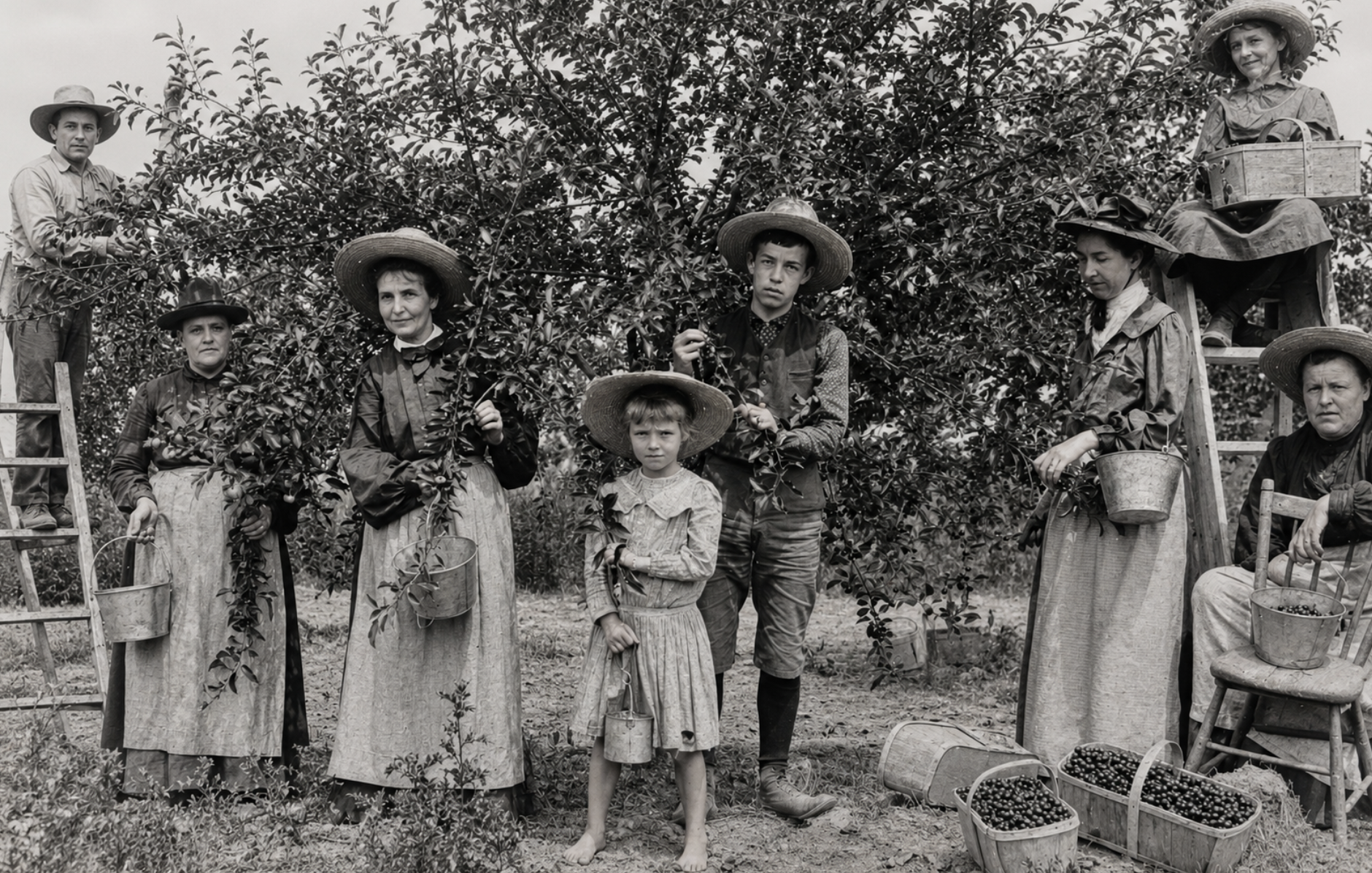
Farming Environment: The region featured highly productive soil that required minimal effort to clear. The Fonthill Kame, a unique geological formation, shielded crops from severe winds and created an excellent environment for fruit orchards.
Natural Land Drainage: While neighboring parts of the Niagara Peninsula were boggy, Pelham’s hilly terrain naturally shed excess water, allowing immediate crop cultivation.
Social Foundations: The arrival of the Society of Friends established a stable, welcoming community that drew subsequent waves of British and American immigrants.
Industrial Waterways: The high elevation in the north served as the headwaters for Twelve Mile Creek, generating the water power needed to operate early gristmills and sawmills.
Known for its rolling hills, fertile farmland, orchards, vineyards, and forests, Pelham is home to the Fonthill Kame—the highest point of land in Niagara—and the renowned Comfort Maple, one of Canada’s oldest sugar maples. The town’s rich history is reflected not only in its landscapes but also in the names of the communities that came together to create the Pelham we know today.